





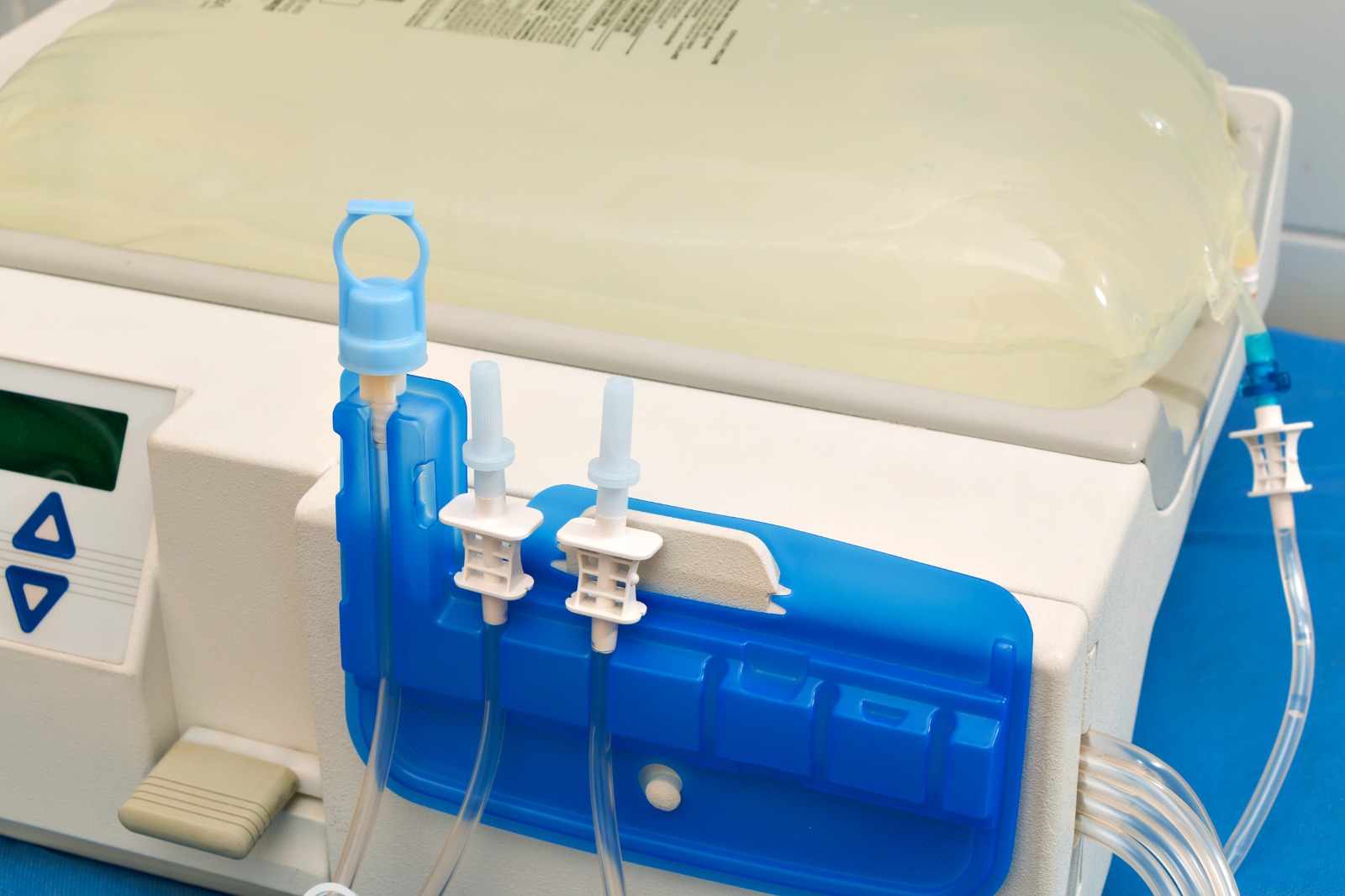
KUALA LUMPUR — Malaysia's Ministry of Health (MOH) is urging newly diagnosed dialysis patients to opt for home-based peritoneal dialysis (PD), citing the risk of shortages in haemodialysis (HD) consumables such as dialysers and packaging for concentrate solutions. "We strongly encourage new dialysis patients to opt for PD under the current circumstances," the ministry said, while noting it is not feasible to convert all existing HD patients.
A supply chain under pressure
The ministry stressed there are no shortages at hospital level yet, but distributors have flagged tightening supply upstream. Local manufacturers have pointed to rising prices of plastics and petroleum-derived inputs — knock-on effects of energy-market disruption tied to conflict in West Asia.
A policy still finding its feet
- As of 31 December 2024, just 6,648 patients (about 12%) of Malaysia's 55,237 dialysis patients were on PD, despite a long-standing "PD-first" policy.
- The country adds an estimated 9,000–10,000 new dialysis patients every year.
- PD is performed at home, easing pressure on in-centre HD capacity and reducing reliance on imported consumables.
The guidance reinforces a broader national shift toward decentralised, home-based renal care. For the renal-care supply chain, it points to sustained demand for PD-friendly equipment and home-therapy infrastructure across Malaysia.